Why 2026 Belongs to Energy-Efficient Plumbing – Insights from The Tankless Guys Plumbing
In 2026, property owners are rethinking how water moves through their homes. Costs are rising, building codes are tightening, and sustainability is no longer a side project—it’s a requirement. Energy-efficient plumbing is the quiet engine behind that shift. The biggest gains come from efficient water heaters, trenchless repairs, and maintenance guided by inspections and thorough cleaning.
The Tankless Guys Plumbing and Rooter Corp. has focused on these outcomes for years, combining tankless expertise with trenchless repair and high-impact maintenance to reduce waste, reduce failure points, and keep systems running at peak efficiency.
Let’s find the practical steps to cut costs and improve performance with modern plumbing solutions.
The Efficiency Equation: Water, Heat, and Time
Any plumbing system has three scarce resources to manage: Water, Heat, & Time. Traditional approaches such as oversized storage tanks, dig-and-replace line work, and deferred drain cleaning tend to waste all three. The 2026 playbook looks different:
- Water is conserved through faster hot-water delivery and eliminating hidden leaks and root intrusion.
- Heat is conserved by producing hot water on demand rather than storing and reheating it continuously.
- Time is conserved by selecting methods that shorten job duration and limit service interruptions.
When these elements are addressed together, customers see lower utility bills, fewer emergencies, and longer equipment life.
Tankless Water Heating: More Hot Water, Less Waste
Tankless systems heat water only when it’s needed. That single design decision removes the standing heat losses of storage tanks and can extend equipment life with proper maintenance. Modern tankless units can be sized and set up for homes with fluctuating demand and businesses with predictable peaks to deliver consistent performance without the constant cycling of a traditional tank.
Three characteristics make tankless systems the backbone of energy-efficient plumbing in 2026:
- On-Demand Efficiency – No standby losses from keeping 40–75 gallons hot around the clock.
- Scalability – Multiple units can be manifolded for restaurants, multifamily properties, or commercial facilities.
- Serviceability – Annual descaling, filter checks, and combustion tune-ups preserve efficiency and prevent costly mid-season outages.
For homeowners comparing options, the differentiators are not only the unit specs but also installation quality, gas sizing or electrical capacity, venting layout, and the maintenance plan. A sound tankless setup lowers energy use and delivers consistent temperature at the fixtures that need it most.
If you’re planning an upgrade or need a performance assessment, start with tankless water heater services to align unit capacity, layout, and maintenance with your building’s demand profile.


Trenchless Methods: Repair Without Systemic Disruption
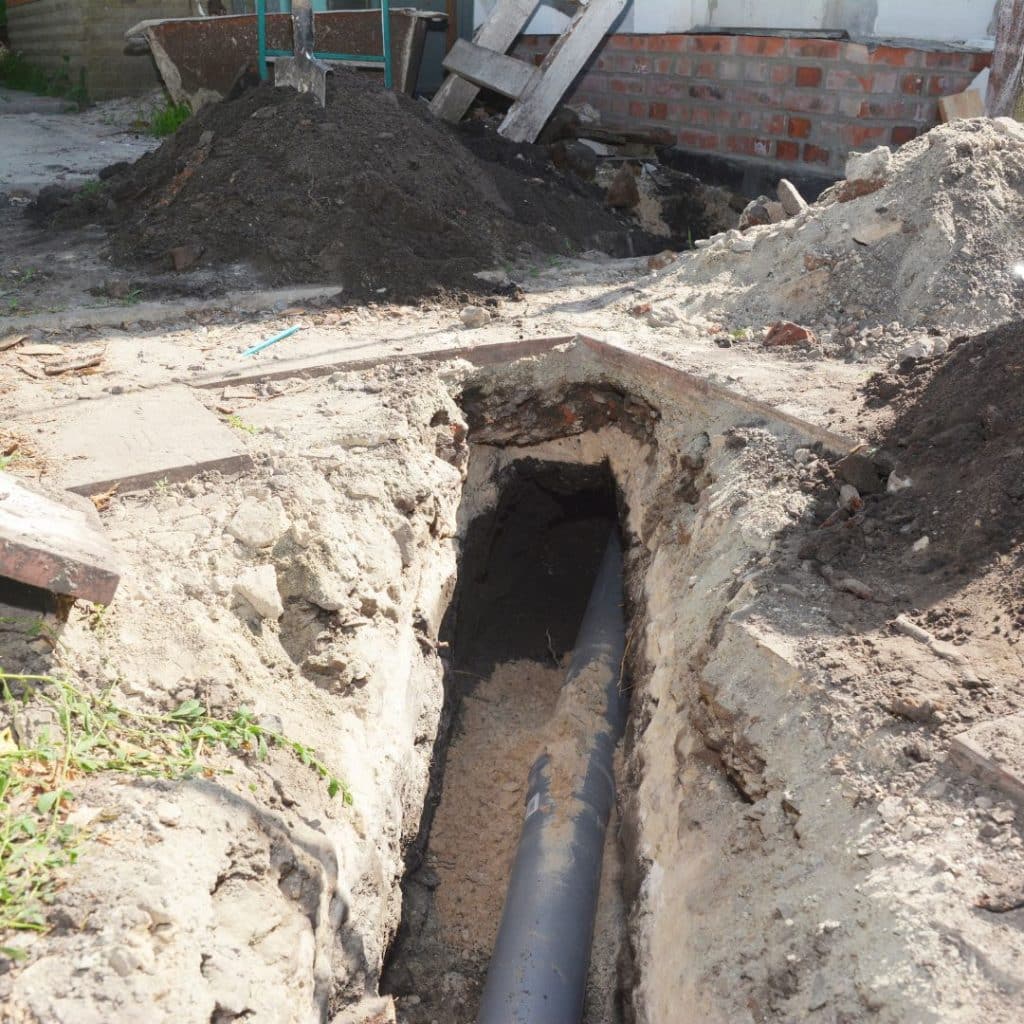
Digging up a yard, driveway, or commercial entryway to replace a failed line causes collateral damage, long timelines, and avoidable waste. Trenchless techniques such as pipe bursting, lining, and targeted segment replacement let technicians repair or replace water and sewer lines through small access points. The result is a faster, cleaner path to a watertight system with less material waste and fewer restoration costs.
Why trenchless fits the 2026 efficiency model:
- Less Material Waste – Fewer large-scale excavations and restorations.
- Shorter Downtime – Businesses and households get back to normal faster.
- Predictable Outcomes – Camera verification before and after the repair confirms quality and helps plan future maintenance.
If your property has slow drains, recurring backups, or a known root intrusion near the main, consider trenchless sewer line replacement to restore flow with minimal surface disruption.

Precision Maintenance: Drain Cleaning and Hydro Jetting
“Preventive” only works if it’s targeted. That’s where camera inspections and hydro jetting come in. A clear camera view shows whether the issue is sludge, scale, offsets, or roots. Hydro jetting then uses calibrated water pressure to clear the pipe wall—not just poke a hole through a clog.
This approach:
- Reduces repeat visits by fully clearing the pipe diameter
- Restores design flow, which lowers pump strain and extends system life
- Supports accurate planning for repairs or replacements, informed by actual pipe condition
For kitchens, food-service facilities, and older residential stacks, jetting at set intervals is often more cost-effective than waiting for the next emergency. When the flow is restored to spec, fixtures drain promptly, water use normalizes, and hot-water delivery stabilizes. If you’re building a maintenance plan, add drain cleaning services and camera inspections to your schedule.
Inspection-First Decision Making
Guesswork is expensive. Before committing to equipment or line work, a structured inspection reduces risk:
- Load & Demand Review – Map peak hot-water usage by fixture and time of day.
- Line Condition – Use sewer line inspection to document offsets, breaks, bellies, and root growth.
- Combustion or Electrical Capacity – Confirm gas line size, vent runs, combustion air, or panel capacity for electric models.
- Water Quality – Hardness and sediment affect tankless heat exchangers and valve life; treatment can protect equipment and keep efficiency consistent.
- Maintenance Intervals – Establish a calendar for consistent performance for descaling, filter changes, and jetting.
This inspection-first model ensures each dollar spent addresses a real constraint—rather than swapping parts and hoping for improvement.
Residential and Commercial: Different Buildings, Same Goals
1. Residential
Homeowners are looking for consistent hot water, stable pressure, and quiet operation. Tankless units shine where families have varied schedules, guest suites are used intermittently, or accessory dwelling units are added. Trenchless line work is also common in neighborhoods with older mains and mature trees.
1. Commercial
Restaurants, clinics, light manufacturing, and multi-tenant buildings need reliable hot water and clear drains to stay open. Manifolded tankless banks can handle predictable peaks, and scheduled hydro jetting prevents backups that halt operations. Camera-based inspection reports also help property managers communicate with stakeholders and budget accurately.
The Bottom Line
Energy-efficient plumbing isn’t a single product—it’s a system-wide approach that respects water, heat, and time. In 2026, properties that align equipment, line integrity, and maintenance will spend less, perform better, and face fewer surprises. Whether you need a tankless upgrade, a smarter plan for drain health, or a trenchless solution for failing lines, The Tankless Guys Plumbing and Rooter Corp. offers a cohesive path forward.
Browse Yelp reviews to see energy-efficient plumbing project types and outcomes. For more updates and quick tips, follow the TTG Plumbing & Rooter on Facebook and Instagram. And to schedule an assessment or get fast help, contact now.